The Rhythmic Pulse of a Global Event
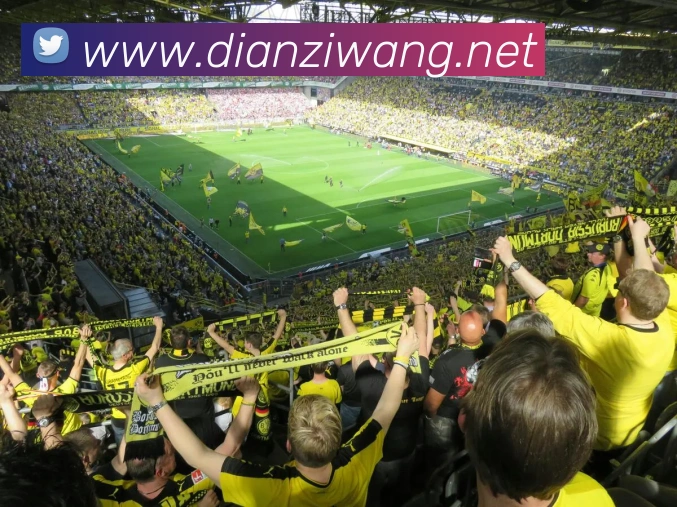
For the global football community, the World Cup is not merely a tournament; it is a meticulously choreographed, month-long spectacle that dictates the rhythm of life for billions. The official schedule, released in English by FIFA, serves as the universal playbook, a shared temporal map that transcends linguistic and cultural barriers. Living by this schedule is an immersive exercise in shared anticipation, communal experience, and linguistic immersion. It transforms passive viewership into active participation, where the terminology of the fixture list, the countdown to kickoff, and the post-match analysis become the lingua franca of a global village united by a single sport.
Decoding the Official Lexicon
The journey begins with understanding the schedule's formal architecture. Key English terms become essential vocabulary. The tournament opens with the Opening Match, a ceremonial event steeped in tradition. Teams are then sorted into Groups (A through H), where they compete in a round-robin format. Each game is a fixture or a match-up, with a precise kickoff time listed in a specific time zone, often UTC or the host country's local time. The group stage culminates in the final matchday, determining which nations advance to the Knockout Stage or the Round of 16.
This phase intensifies the linguistic engagement. Fans discuss quarter-final draws, semi-final nerves, and the ultimate destination: the Final. The schedule meticulously notes venues—stadiums and arenas—becoming geographical landmarks in the fan's mind. Phrases like "to be played at," "live on [broadcaster]," and "head-to-head record" transition from jargon to common parlance. Navigating this lexicon is the first step in truly inhabiting the World Cup timeline.
The Personal Calendar: From Planning to Ritual
For the enthusiast, the abstract schedule becomes a deeply personal calendar. This involves a process of active localization and planning.
Time Zone Alchemy
The most immediate challenge is converting kickoff times from the host nation's time zone to one's own. This act of mental calculation—"If it's 8 PM in Doha, that's 10 AM here"—becomes a daily ritual. It dictates daily routines: scheduling work breaks, setting alarms for pre-dawn matches, or planning social gatherings around prime-time games. The phrase "What time is the match?" is uttered countless times, binding individuals to the global clock of the tournament.
Creating Viewing Rituals
Each match slot develops its own character and associated rituals. The early afternoon match might be a companion to lunch, the evening game the centerpiece of dinner with friends, and the late-night fixture a solitary, intense communion with the spectacle. Fans build traditions around these slots—specific foods, lucky jerseys, or preferred viewing locations—all anchored to the immutable times on the official schedule.
Beyond 90 Minutes: The Continuous Cycle
Living the World Cup schedule extends far beyond the ninety minutes of play. It encompasses a continuous cycle of engagement built around the fixture list.
The period before a match, the build-up, is filled with analysis of team news, predicted line-ups, and tactical previews. English-language media—from major networks like BBC and Sky Sports to dedicated podcasts and online forums—buzz with speculation. After the final whistle, the focus shifts to post-match analysis, highlights, injury reports, and manager press conferences. The schedule creates natural peaks and troughs of content consumption, with days featuring multiple matches offering a saturated experience, and rest days providing a pause for reflection and recovery.
The Social and Communal Fabric
The shared adherence to the World Cup schedule weaves a powerful social fabric. It provides a universal topic of conversation, breaking down social barriers. In offices, cafes, and online spaces, discussions naturally orient around the previous night's results or the upcoming day's key clashes.
Global Water Cooler Moments
When a major upset occurs or a stunning goal is scored, the reaction is near-instantaneous and global, precisely because millions are watching the same event at the same time, as dictated by the schedule. Social media platforms explode with reactions in real-time, creating a digital stadium of billions. Hashtags related to specific matches trend worldwide, demonstrating the synchronized pulse of the global audience.
The Shared Emotional Journey
The schedule maps out a collective emotional journey. The hopeful optimism of the group stage, the knife-edge tension of the knockout rounds, the heartbreak of elimination, and the euphoria of progression are emotions felt in unison across continents. Fans of eliminated teams often continue to follow the schedule, adopting a "neutral" perspective or supporting a remaining underdog, their engagement shifting but not ceasing.
Linguistic Immersion and Cultural Exchange
For non-native speakers, following the World Cup in English is a potent form of immersive language learning. The repetitive exposure to a specialized but passionate vocabulary accelerates comprehension.
Acquiring the Specialist Vocabulary
Fans naturally absorb terms like clean sheet, woodwork, offsides trap, playmaker, and screamer (referring to a powerful goal). They learn the nuances of commentary: the difference between a "clinical finish" and a "tap-in," or what constitutes a "man-of-the-match" performance. This is functional, context-rich language acquisition driven by genuine interest.
Engaging with Global Narratives
English-language coverage offers access to a diverse array of perspectives—British punditry, American excitement, and analysis from global experts. This exposes fans to different accents, colloquialisms, and cultural approaches to discussing the sport. The schedule becomes a framework for engaging with these narratives, as each match generates a new story told through a multilingual, primarily English, lens.
The Final Whistle and Lasting Echoes
When the final whistle blows on the championship match, the rigid structure of the schedule dissolves, leaving a void. The daily rituals, the anticipatory checks of the clock, the planned social gatherings around fixtures—all cease abruptly. This post-tournament period is often marked by a sense of collective withdrawal, a "World Cup hangover."
However, the experience leaves indelible marks. The English vocabulary of football becomes a permanent part of one's lexicon. The memory of shared moments, synchronized across the globe by a simple timetable, fosters a sense of global connection. The schedule, from its first published PDF to its final fulfilled entry, is more than a list of dates; it is the heartbeat of a shared human experience, a testament to how a common passion can organize time, forge community, and transcend language, all while expanding our command of English in the most thrilling context imaginable.